Look Before You Leap: The Tiny Circus Currently Living in Your Driveway
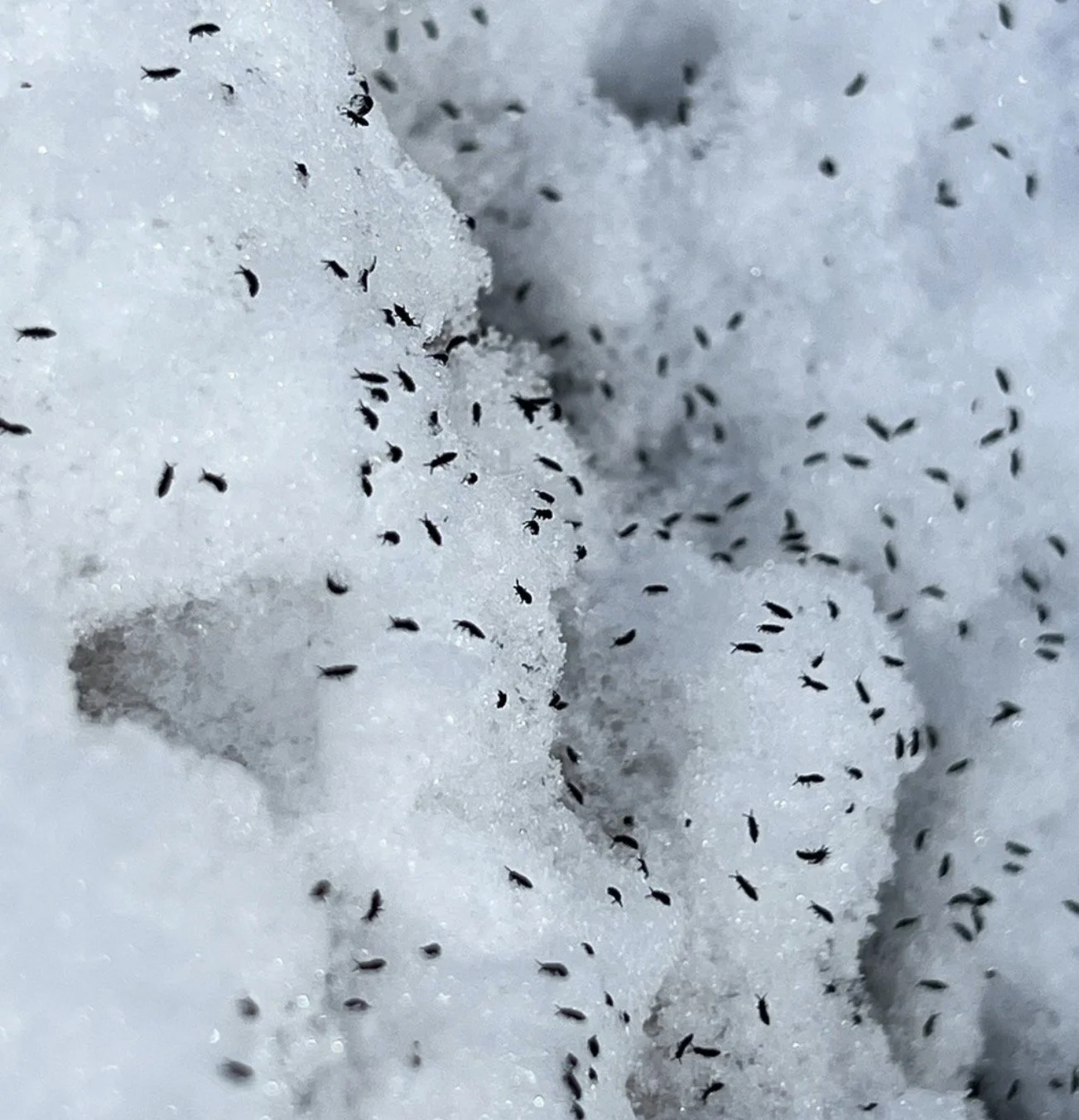
If you’ve lived through an Upstate New York winter, you know the "Still Winter" phase—that gray, slushy stretch of February where the sun is a myth and the potholes are deep enough to swallow a Corolla. Just when you think you’ve reached the final level of cold-weather hell, you might look down at a melting snowbank and see millions of tiny black specks that look like someone spilled a giant pepper shaker. These are snow fleas, and because nature in New York has a dark sense of humor, they aren't actually fleas… they’re "springtails" that have decided the freezing slush is the perfect place for a party.
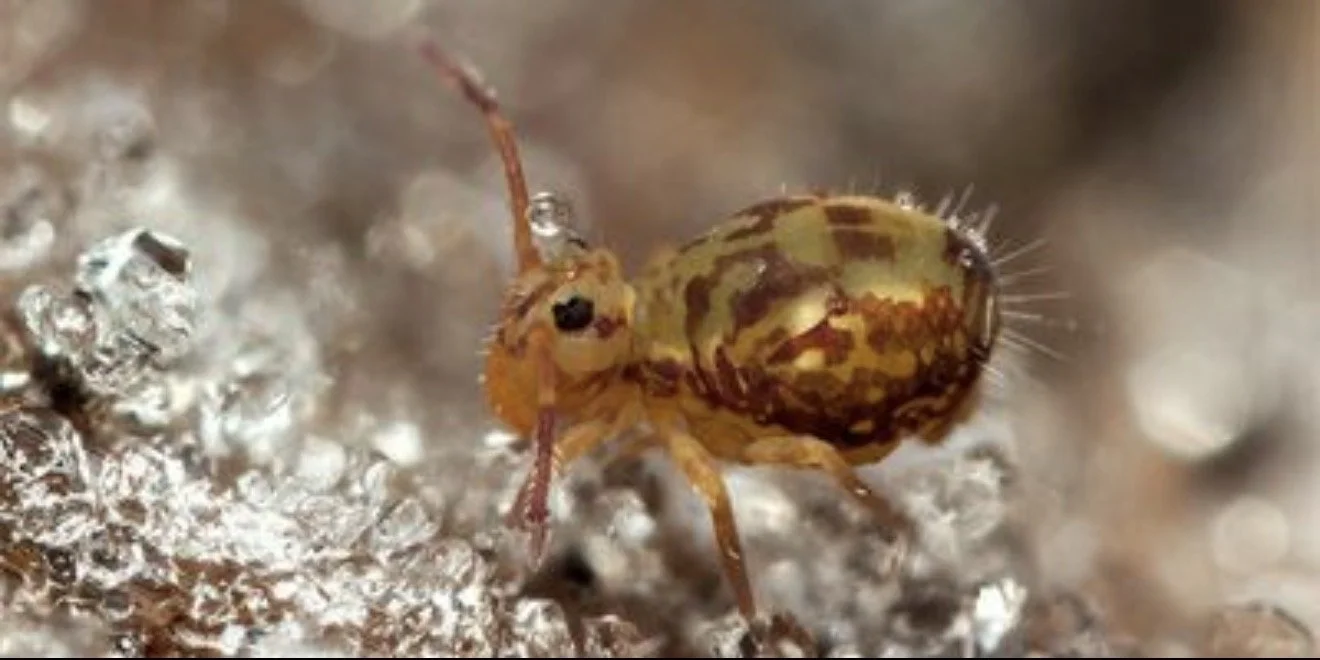
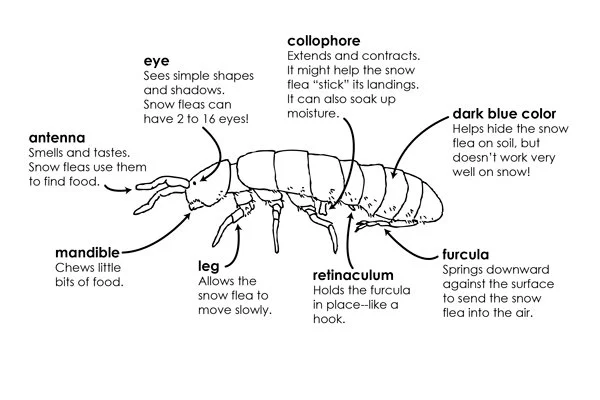
I know what snow fleas are, or so I thought. But, what are springtails? I’d never heard of this term, so did some research. Springtails are essentially the "un-invited roommates" of the bug world. They are so weird that scientists actually kicked them out of the official insect club because their mouthparts are tucked inside their heads (like a built-in retainer) instead of sticking out like a normal bug’s. These tiny, wingless arthropods are famous for their ability to use their tail parts to “spring” up to 100 times their body length!
While normal bugs have the sense to die or hibernate when the temperature hits zero, snow fleas are biologically built for the misery of an Adirondack February. They carry a special antifreeze protein in their blood that stops ice crystals from growing inside their bodies. Essentially, they are walking jugs of blue windshield wiper fluid. This "superpower" is so effective that scientists are studying them to see if we can use their proteins to keep transplant organs fresh or even make ice cream stay smoother in the freezer. It’s a bit of a grim thought: the key to better surgery might be hiding in a bug that lives in your slushy driveway.
Watching them move is like witnessing a tiny, chaotic circus. Since they don't have wings, they get around using a spring-loaded tail called a furcula. They tuck this tail under their belly and flick it to launch themselves into the air like microscopic popcorn. They can’t steer, so they just boing around randomly, hoping to land on some decaying leaves or fungi to eat. They don’t bite, they don’t want your blood, and they won't infest your house—they’re just weird little neighbors trying to survive the same endless winter as you, only with significantly more enthusiasm.
Melissa Schneegas
ReelCamoGirl, Pro Staff